Introduction
End-to-end encrypted (E2EE) backups are critical for keeping your Messenger history safe across devices, but they face a challenge: what happens when you lose your phone, switch devices, or go long periods without signing in? Meta’s Labyrinth 1.1 protocol update directly tackles this by ensuring your messages are stored reliably in your encrypted backup as they’re sent—not when your device comes back online. This guide walks you through the system, explaining each step of how Labyrinth 1.1 makes your backups more resilient without any extra effort on your part.
What You Need
- A Messenger account with end-to-end encrypted chats enabled (available in the app settings).
- Labyrinth 1.1—this is automatically rolled out to Messenger; no manual update or configuration is required.
- Optional: A device (phone or computer) to test the backup and restore process. However, the protocol works in the background, so you only need to be signed into Messenger.
Step-by-Step Guide to Labyrinth 1.1’s Backup Reliability
Step 1: Understanding the Old Backup Flow (The Challenge)
Before Labyrinth 1.1, when you sent an encrypted message, it was stored on your device until your messenger app synced with the cloud backup. If you lost your device before that sync happened, or if you switched to a new device without having backed up recently, some messages could be lost permanently. The protocol relied on your device coming online to push messages into the encrypted storage—this created a vulnerability during device loss or long offline periods.
Step 2: The New Sub-Protocol – Direct-to-Backup Injection
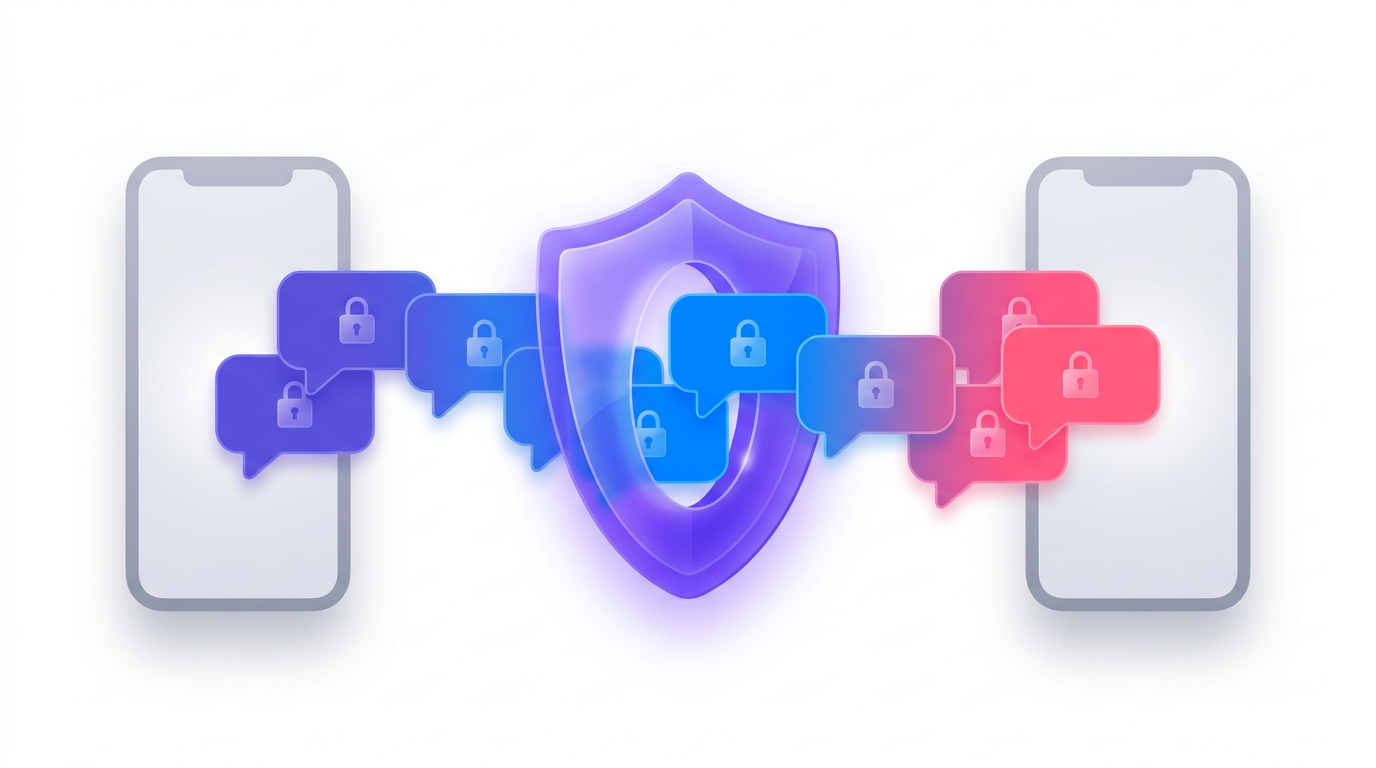
Labyrinth 1.1 introduces a clever sub-protocol that changes when and how messages enter your backup. Instead of waiting for your device to initiate a sync, the sender’s message is placed directly into your encrypted backup at the moment it is sent. Think of it like dropping a sealed envelope into a locked box that only you can open—the envelope arrives instantly, even if you’re not around to receive it.
Step 3: Message Encryption and Key Wrapping
When the sender composes a message, Labyrinth 1.1 wraps it with a unique message encryption key. This key is derived from your (the recipient’s) public key, so only you can unwrap and read the message. The wrapped message is then inserted into the recipient’s encrypted backup—the same backup that stores all your history. Because the key is specific to that message and account, even Meta cannot decrypt it.
Step 4: Resilience Against Device Loss and Switches
Once the message is in the backup, it stays there regardless of your device’s status. If you lose your phone, buy a new one, or simply don’t sign in for months, the message remains safely encrypted. When you restore your account on a new device, Labyrinth 1.1 retrieves all those stored messages from the backup—including ones that were sent while you were offline—so you never miss a word. This is a major improvement over the old system, where messages could only be saved after your device synced.
Step 5: Real-World Gains in Backup Success
Meta has already rolled out Labyrinth 1.1 broadly and reports meaningful improvements. More messages are successfully backed up, and more people restore their full history when they change devices. The protocol works silently behind the scenes, maintaining the invisible security that good E2EE requires. You don’t need to change your habits—just keep using Messenger normally.
Tips for Maximizing Labyrinth 1.1’s Benefits
- Keep E2EE chats enabled: The protocol only applies to conversations where end-to-end encryption is active. Check your Messenger settings to ensure encrypted chats are turned on.
- Regularly test device swaps: If you switch phones often, sign into your account on the new device and verify that your history appears. Labyrinth 1.1 makes this seamless, but testing ensures everything works.
- Don’t worry about long gaps: Whether you go offline for a day or a year, your messages are waiting for you encrypted in the backup. No additional steps are needed.
- Read the white paper: For a deep dive into the cryptographic details, check out the updated white paper titled “The Labyrinth Encrypted Message Storage Protocol”.
With Labyrinth 1.1, Meta has made end-to-end encrypted backups not only secure but also highly reliable—so your conversations stay with you, no matter what happens to your device.